Rheological properties of powder preparations for sauces

USE
Determination of the powder flow characteristics of a brown sauce mixture.
TEST EQUIPMENT
Instrument: Powder Flow Tester (PFT)
Tank: 230 cc, 6 inches in diameter (standard volume)
Lid Type: Pallet Lid, 33cc, 6 inch diameter
Test type: Flow function
Test temperature: Ambient temperature (70-72 ° F)
Humidity: 48%
METHOD
A Brookfield powder flow tester equipped with Powder Flow Pro software for automated instrument control and data acquisition was used to test the brown sauce mixture. The sauce mixture was poured into the trough and the scraping tool was then used to evenly distribute the powder and form the sample. After recording the sample weight and entering it into the software, a standard flow function test was performed. The time required for the test was 25 minutes.
MEASURED PARAMETERS
Fluidity: Cohesive / Very cohesive
Apparent density: 447 kg / m3 (filling density) to 706 kg / m3
TO ANALYSE
Hopper shape: Conical
Critical arch dimension: 0.218 m
Rat hole diameter: 1.379 m
Figure 1 shows the fluidity of the brown sauce mixture at different levels of consolidation stress. These results show that the sauce mixture is generally cohesive / very cohesive across the different levels of consolidation stress, which means that this product will be difficult to flow.
Note: Flow function data is indicated by the red line. The other lines are benchmarks (or “Standard Flow Indices”), which distinguish the different types of flow behavior, ranging from “non-fluid” along the y-axis to “free-flowing” along the y axis. x axis.
The axes are the unconfined breaking strength (kPa) with respect to the major principles consolidating stress (kPa).
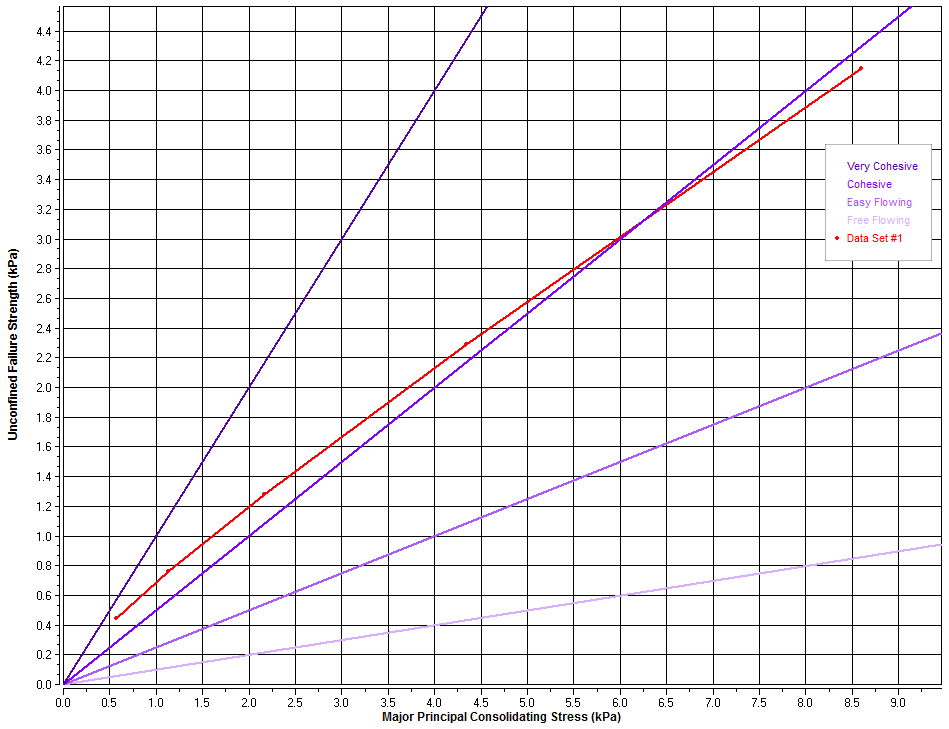
Figure 1: Brown Gravy Mixture Flow Function Graph
Figure 2 is a table which reports the vault dimension and the rathole diameter based on a standard bin diameter of 2 meters and a bin height of 8 meters. The sauce mixture requires a 0.218m hopper opening to ensure that a cohesive (jam) arc will not form. The diameter of the rat hole indicates that the opening of the hopper should be larger than 1.379 m to prevent a rat hole from forming.
| Database |
Arched dimension |
Rat hole |
| # |
(m) |
(m) |
| 1 |
0.218 |
1,379
|
Figure 2: Vault dimension of the brown sauce mixture and diameter of the rat hole
Figure 3 shows the bulk density of the material at different levels of consolidation stress. This graph tells us that the sauce mixture has a bulk filling density of about 447 kg / m³ and achieves a final bulk density of 706 kg / m³ at about 8.6 kPa of consolidation stress. In general, a free flowing powder will show very small changes in bulk density, while a cohesive or low flowing powder will generally show a large increase in bulk density. This mixture of sauce shows a strong increase in the bulk density of the initial filling to the final bulk density, which clearly indicates that this powder is going to be difficult to flow.
The axes are the apparent density (kg / m3) compared to the consolidation stress of the major principles (kPa).
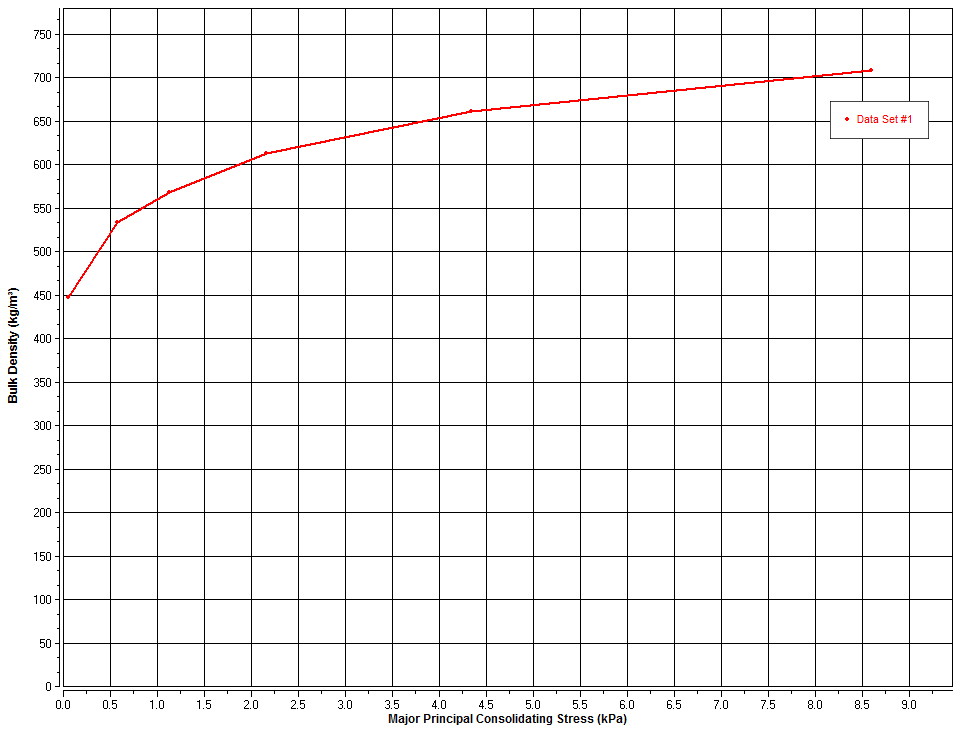
Figure 3: Density graph of brown sauce mixture
CONCLUSION
Brown Gravy Mix is a cohesive / very cohesive powder at all levels of consolidation stress. This means that the sauce mixture will experience flow issues if the proper precautions are not taken. Possible issues include camber (when the powder forms a cohesive bridge over the outlet) and ratholing (when the powder only flows out of the center, leaving the rest of the material static against the walls). Possible solutions include the introduction of flow aids at specified levels and equipment additions (such as a vibratory system).