


Case study: Viscosity of cough suppressant and expectorant
Case study: Viscosity of cough suppressant and expectorant

 AMETEK BROOKFIELD
 ASCOTT ANALYTICAL EQUIPMENT LTD
 ATP ENGINEERING BV
 BINDER GmbH
 BUCKLEYS (UVRAL) LTD
 COATMASTER
 DAKOTA ULTRASONICS
 DEFELSKO CORPORATION
 FORMAT MESSTECHNIK GmbH
 HACH LANGE
 HANGON
 HANNA INSTRUMENTS FRANCE
 HILDEBRAND
 KERN & SOHN GmbH
 LABOMAT ESSOR
 LAUDA
LAUDA
 LENETA COMPANY
 MITUTOYO FRANCE
 Q-LAB CORPORATION
 RHOPOINT INSTRUMENTS
 RK PRINT COAT INSTRUMENTS Ltd
 SIGMUND LINDNER GmbH
 TABER INDUSTRIES
 TAYLOR HOBSON LIMITED
 TESTO
TESTO
 TQC BV
 VEOLIA WATER STI
 VERIVIDE
 WALLACE
 X-RITE EUROPE GMBH


To be used in the dishwasher to facilitate the cleaning of the dishes.
Instrument: DV3T
Theometer spring Torque: HB
Pin: HB-3
Speed: 5, 10, 50, 90, 130, 170, 210 and 250 rpm
Temperature: Ambient temperature (70 ° -72 ° F)
We used a Brookfield DV3THB rheometer with Rheocalc ™ software for automated instrument control and data acquisition. We performed our test at room temperature (70-72 ° F) in a 600 ml beaker. We used an HB-3 pin submerged to its immersion mark. Three tests were performed to ensure repeatability. Each test was performed in a new portion of the sample. Representative data of the analyzes are shown in Figure 1 which shows that the viscosity of the dishwasher detergent decreased as the shear rate increased. This behavior is known as "shear thinning". The results over the shear rate range were all on a scale between 10 and 100 % of the couple from the full range. Note that the three curves overlap, which shows excellent repeatability.
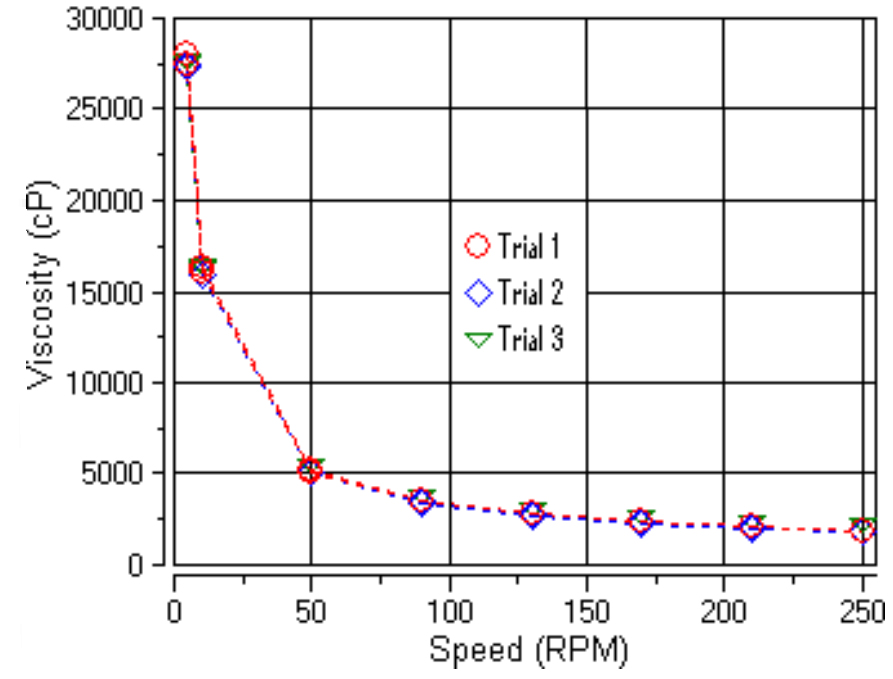
Figure 1: Dishwasher detergent at 70 ° -72 ° C
Viscosity versus rotational speed
Instrument: DV3T / DVNext
Rheometer spring Torque: HA
Spindle: SC4-27 Spindle with 13RPY Sample chamber
Accessories: Small sample adapter, TC-550AP
Programmable refrigerated wash speed: 10, 20, 30, 40, 50, 60, 70, 80, 90, 100, 110, 120, 130, 140, 150, 160, 170, 180, 190, 200, 210 and 220 rpm min
Temperature: 25 ° C
The Small Sample Adapter can be used with various Brookfield viscometers or rheometers. In our example, we used a Brookfield DV3THA rheometer with Rheocalc ™ software for automated instrument control and data acquisition. Our test temperature of 25 ° C was maintained by connecting the small sample adapter water jacket to a Brookfield TC-550AP programmable refrigerated bath.
Three different samples were tested to ensure repeatability. A syringe was used to measure 10.4 ml of the sample and dispense it into the chamber. The Small Sample Adapter can be an extremely valuable accessory, especially if you want to use samples much smaller than those required to perform Method 1. Representative data from the analyzes are shown in Figure 2.
Figure 2 shows that the viscosity of the dishwasher detergent has decreased. as the shear rate increases. This behavior is known as "shear thinning". The results over the shear rate range were all on a scale between 10 and 100 % of couple. The results were reproducible.
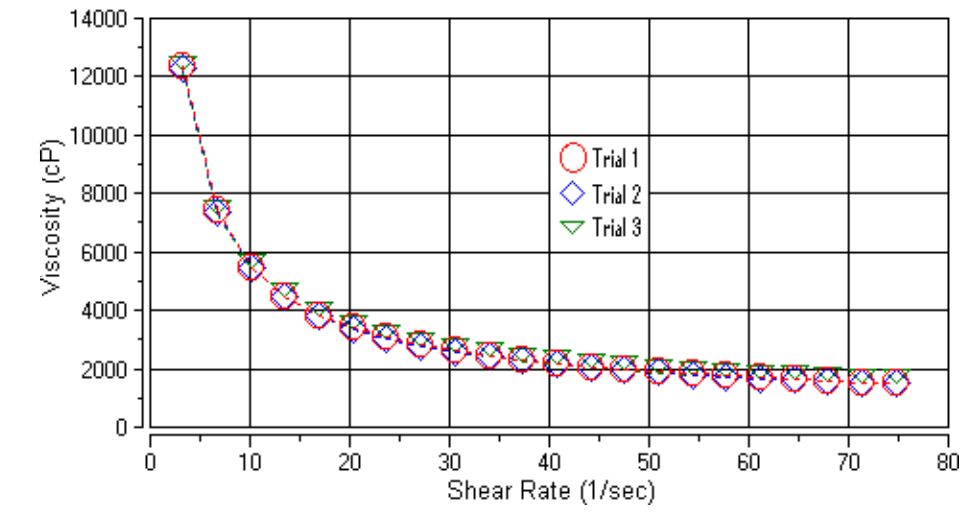
Figure 2: Dishwasher detergent at 25 ° C
Viscosity vs. shear rate
Instrument: DV3T / DVNext rheometer
Spring Torque: RV
Spindle: V-73 vane spindle, submerged to the primary immersion mark
Speed: 1rpm
Temperature: Ambient temperature (70 ° -72 ° F)
We used the Brookfield DV3TRV rheometer, along with EZ-Yield ™ software for automated instrument control and data acquisition. The elasticity tests determine the stress that must be applied to make a material flow. The corresponding apparent strain is the strain at which the sample structure breaks down and begins to flow. The sample was taken from its bottle into a 250 ml beaker, where it was tested. The axis of the pallet has been submerged to its primary immersion mark. The Vane spindle was immersed in a new part of the sample for each test. Figure 3 shows the stress (Pa) versus the apparent stress (rad) of the dishwasher detergent at 1 rpm. The stiffness or firmness of the material is reflected in the slope or stiffness of the stress-strain curve. The yield strength is the maximum stress (approximately 37 Pa) at each pass. The results were reproducible.
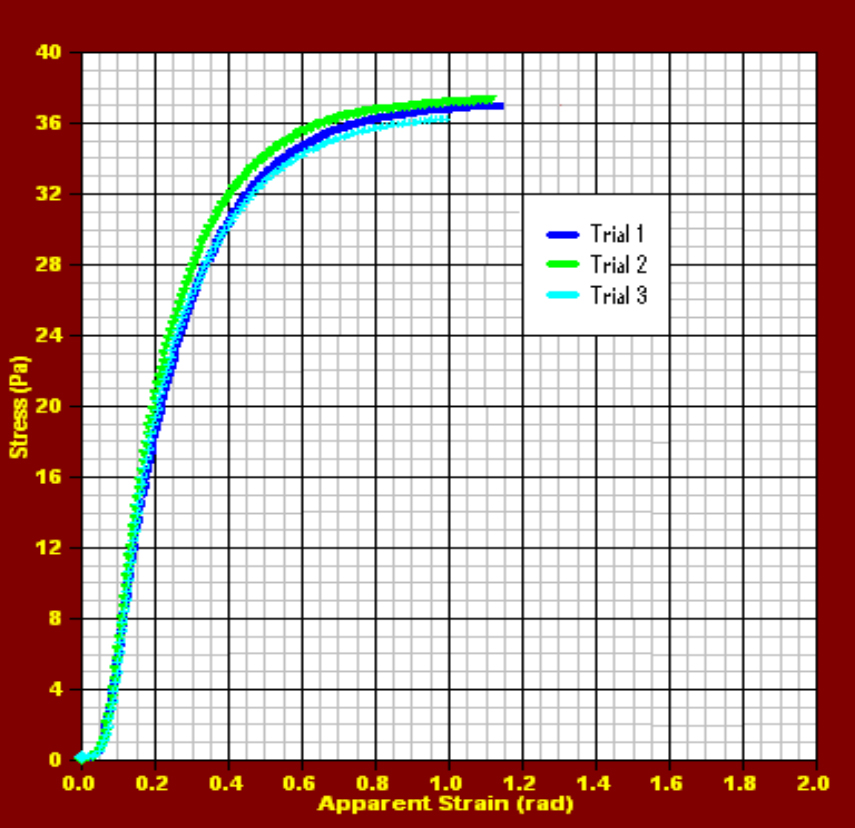
Figure 3: Dishwasher detergent at 70 ° -72 ° C
Shear stress with respect to the apparent stress
Case study: Viscosity of cough suppressant and expectorant
How to use a viscosity cup? How to convert flow time to viscosity in cSt?
Case study: Rheological properties of powdered milk
Labomat Essor and its partner Q-Lab are pleased to offer you a free copy of ASTM D7869: Standard Practice for Xenon Arc Exposure Test with Enhanced Light and Water Exposure for Transportation Coatings.
How many Langleys or Joules or Watts / m2 do the Q-SUN and QUV testers produce?
Case study: Weathering of paints and varnishes on wood


